 Atelier
The room where artists stop guessing alone.
A round table for mid-career illustrators, editorial artists, and fine artists who sell enough to keep going — but not enough to stop worrying.
Atelier is a peer advisory board for working artists. Not a course. Not a mastermind for people who've already made it. A table of peers at the exact same altitude — different mediums, same pressures.
The overhead fluorescents are off. Someone just poured you coffee. The question on the table is the one you've been afraid to say out loud to anyone who isn't doing this work.
Real people. Specific problems.

Priya Mehta
Children's Book Illustration · Portland, OR
"I had no idea I'd been leaving 40% on the table. Every single licensing deal."
Priya had illustrated four picture books and was fielding her fifth licensing inquiry when she brought the contract to a session — not sure if the flat fee was normal or if she was being taken.
The room helped her build a tiered licensing framework. She renegotiated that deal and tripled her advance on the next one.
What would you bring to the table?
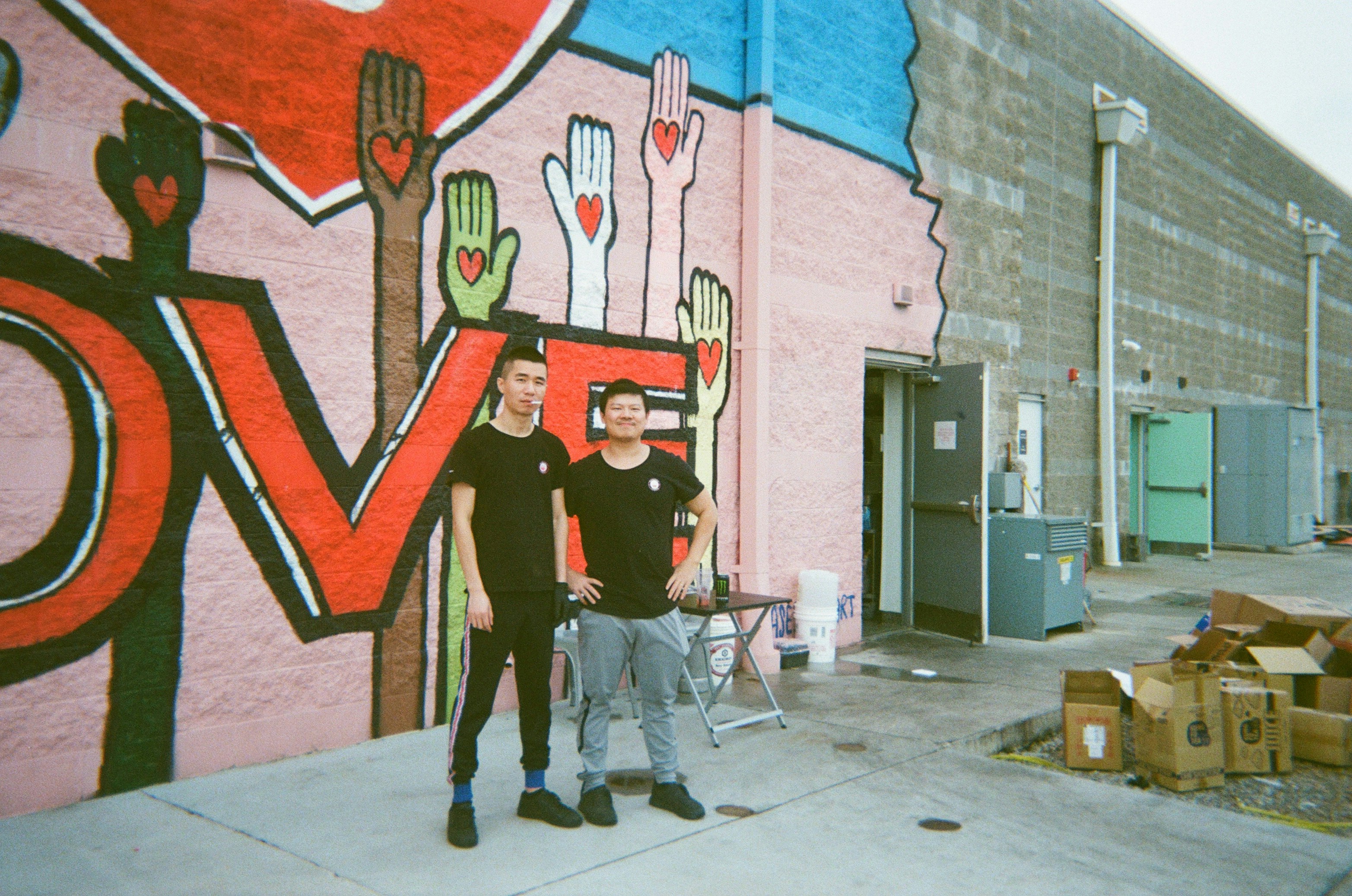
Marcus Delacroix
Muralist & Public Art · New Orleans, LA
"I'd never written a scope-of-work document. I was just doing the work and hoping."
Marcus had completed eleven murals across three cities. Every project ran over time and under budget — not because he was slow, but because the terms were always vague and he was too proud to ask for clarity upfront.
After one session focused on his process, he drafted a one-page scope template. The next commission was the first one he ended without resentment.
When did you last say the actual number out loud?

Yuki Tanaka
Concept Art & Visual Development · Los Angeles, CA
"I was doing every revision they asked for. I thought that was professionalism."
Yuki had been freelancing in entertainment for six years. The work was good, the clients kept coming back — and she was burning out on revision rounds that had no end and no additional pay.
The group helped her write a revision policy she actually believed in. She's lost one client since. She does not miss them.
What's the conversation you keep not having?
A session isn't a workshop.
It's a conversation with stakes.
Sessions run 90 minutes. Four to six members. One facilitator who is also a working artist. No slides. No sales. The agenda is whatever people actually need.
Price-check conversations
Bring a real number — a quote, a rate, a contract clause. The room tells you if it's right, low, or "I made that same mistake last year."
Honest creative feedback
Not "this is great!" feedback. The kind where someone says "I think the problem is earlier than you think" and they're right and you know it.
Accountability pairings
Between sessions, you're paired with one other member. One thing you said you'd do. One check-in. No performance, no judgment.
Business reality checks
Scope documents, client communication, raising your rates, knowing when to walk away. Practical, from people who've done it, not coaches who haven't.
"I've had mentors. I've taken courses. Nothing changed my practice the way one honest conversation with people at the same altitude did."
The Artist's Peer Session Guide
12 pages. No fluff. Everything we've learned about making peer conversations useful — not just comfortable.
- How to structure honest creative feedback so it lands and sticks
- The price-check conversation framework — say the number, hear the truth
- Setting up accountability pairings that actually work
- Scope-of-work templates for illustrators and muralists
- When and how to raise your rates (with scripts)
- Managing revision rounds without burning the relationship
Sit in on a session.
Free. No pressure to speak. You're there to hear what a real conversation sounds like — the specific problems, the honest feedback, the moment someone says "oh, that's what I've been doing wrong."
90 minutes
No filler
4–6 artists
Same altitude
Observe only
Camera optional